The missing desktop for personal agent communities
Agent tools are becoming powerful, but their center of gravity is still the terminal. Claude Code gives Opus a scaffold: files, shell, commits, tests, and a working loop. That is enough for builders. It is not yet a home screen for everyday people.
Vibe Research should be the next scaffold up: a graphical, forgiving OS for agents. Someone should be able to see their personal agent community, give each helper a job, connect email, calendars, browsers, files, and local services, then watch those integrations become part of an ecosystem they understand.
The analogy is Windows for the PC era. Not because it hides power, but because it makes power spatial, clickable, and memorable. Claude Code scaffolds the model; Vibe Research scaffolds Claude Code and agents like it, so ordinary users can assemble their own agent world instead of waiting for one app to guess it for them.
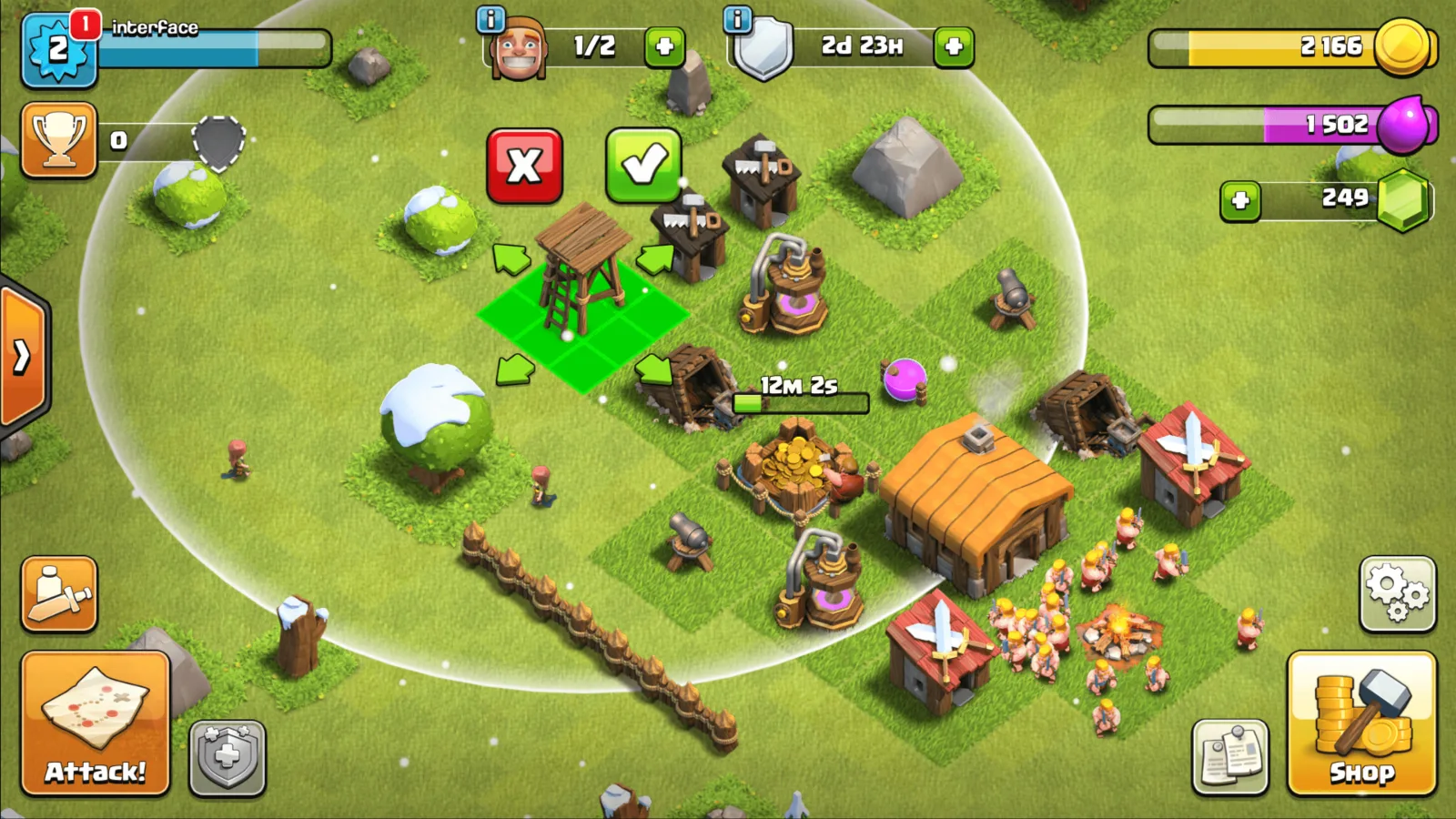
The interface shape
Base-building is the perfect UI for personal agents
A personal agent community should not feel like a stack of chat tabs. It should feel like a small RTS base: every agent has a home, every integration is a building, every automation is an upgrade path, and every active job is visible as motion in the world.
That model gives normal people the thing terminals hide: spatial memory. You remember where the calendar lives, which helper watches email, what is still under construction, and where to drop a new capability. The town becomes a dashboard without becoming a spreadsheet.